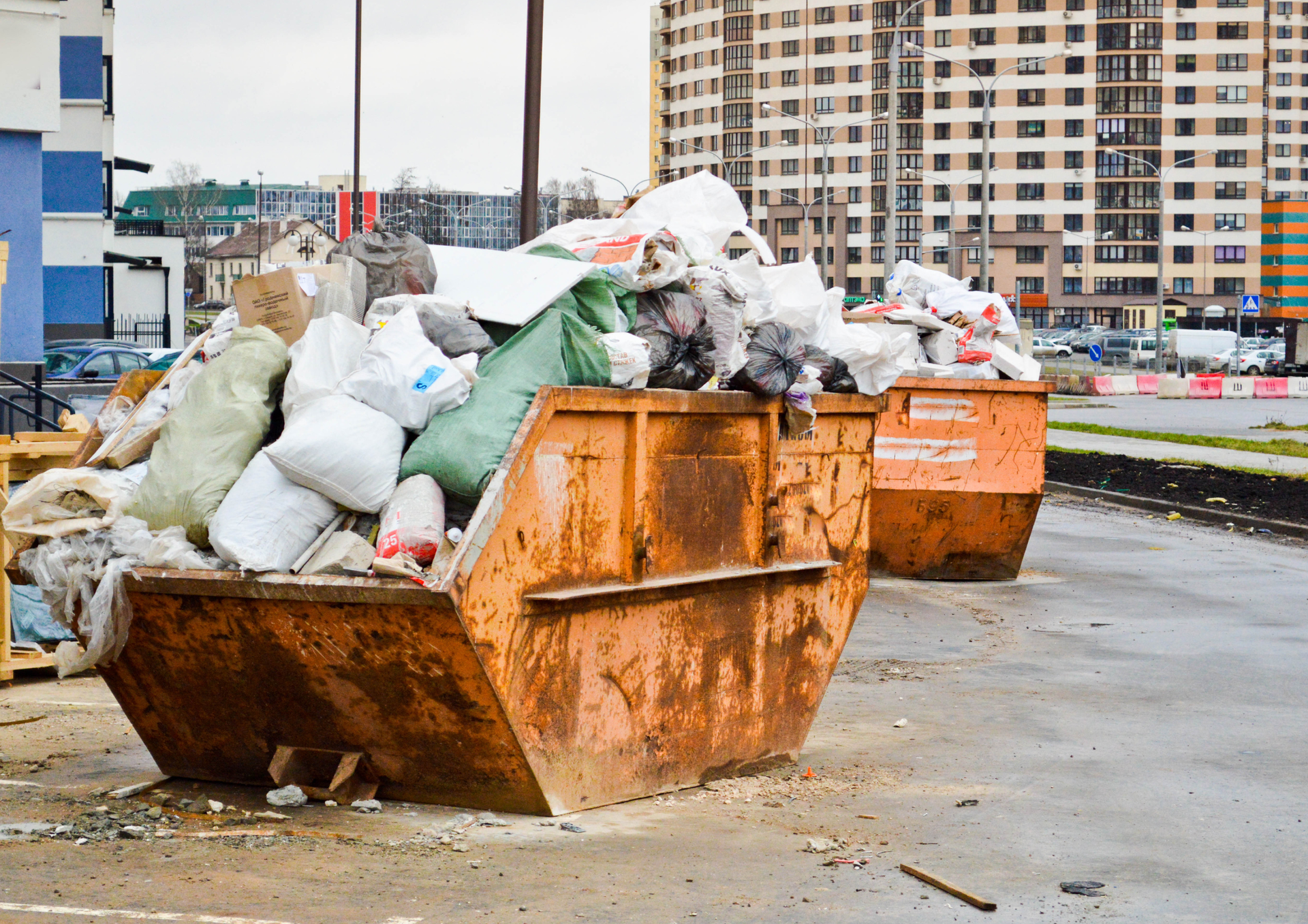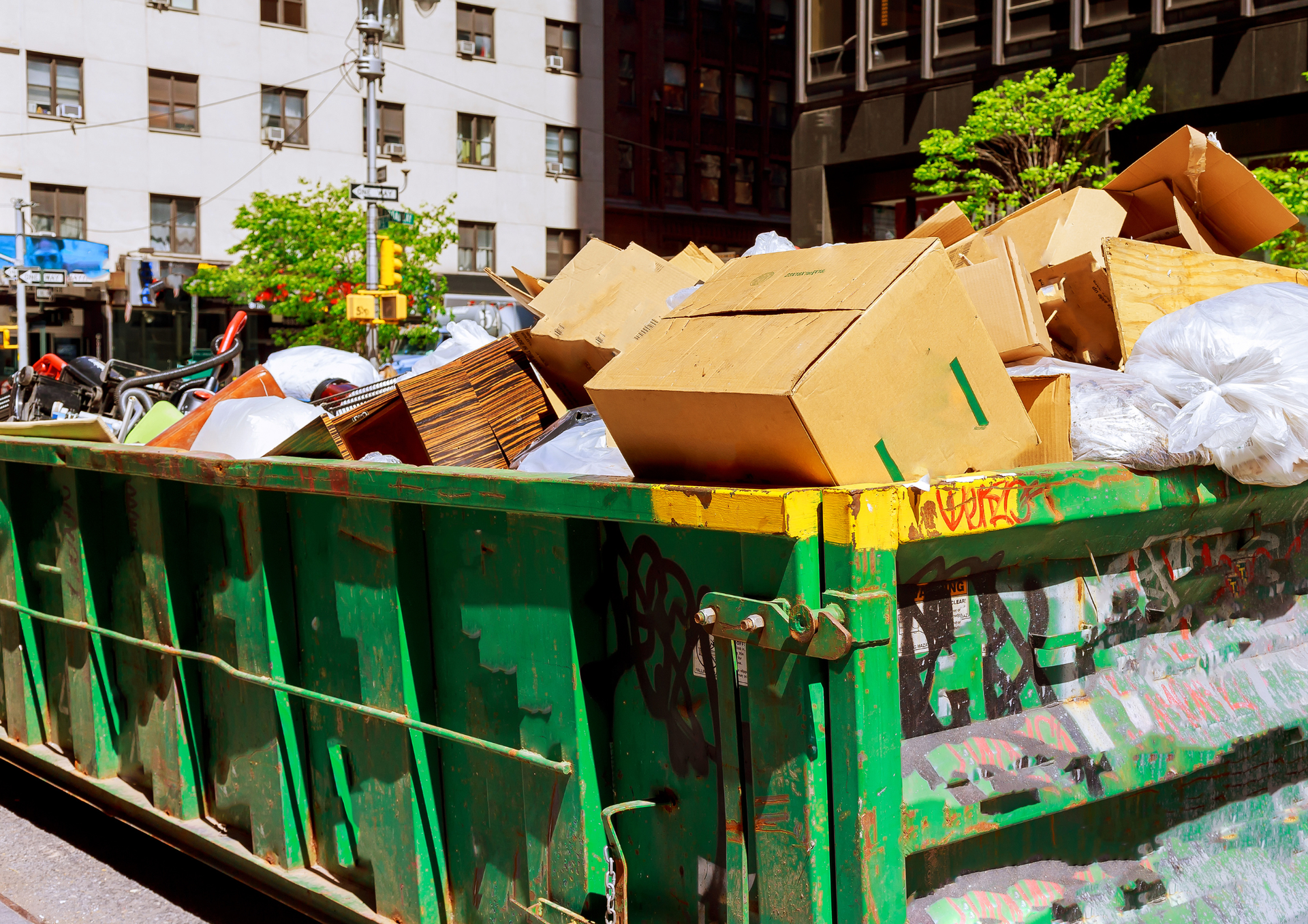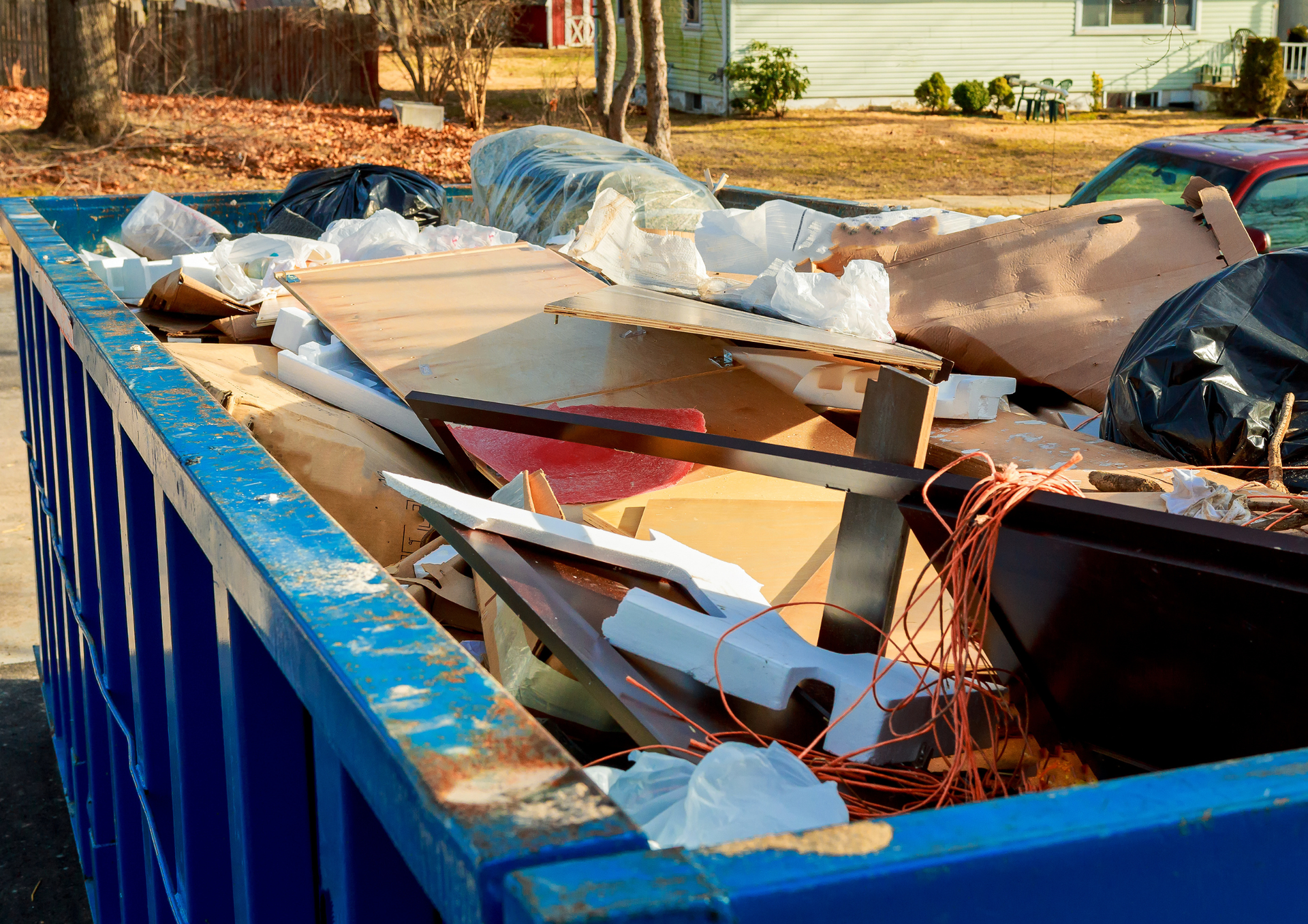

Skip Hire Solutions for Roofing Waste and Construction Debris
Roofing projects generate a significant amount of waste, ranging from old tiles and slates to timber, insulation materials, underlay, flashing, and general construction debris. Whether the work involves repairing a small residential roof, replacing a commercial roofing system, or carrying out large-scale refurbishment works, effective waste management plays an important role in maintaining safety, efficiency, and organisation throughout the project.
For homeowners, landlords, surveyors, local authorities, and contractors, managing waste correctly helps minimize disruption, maintain compliance with waste regulations, and keep working areas safe. Roofing materials can accumulate quickly, particularly during full roof replacements, making it essential to have a structured disposal plan in place before work begins.
Many property owners arrange skip hire services as part of their project preparation to ensure waste can be collected and removed efficiently as work progresses. Proper planning allows roofing contractors to focus on the project itself while maintaining a clean and organised site.
Planning Waste Management Before Roofing Work Begins
Successful roofing projects often begin with careful preparation, and arranging skip hire in advance can help streamline waste management from the outset. Before any materials are removed, it is important to assess the likely volume and type of waste that will be generated. Older roofs may contain multiple layers of materials accumulated over several decades, while larger commercial properties can produce substantial quantities of debris during refurbishment work.
Project planners should consider factors such as site access, available loading space, delivery requirements, and the duration of the project. Establishing designated waste collection areas helps ensure materials can be removed safely without obstructing workers, residents, pedestrians, or vehicles.
Proper waste planning also assists with maintaining productivity. When roofing materials can be disposed of immediately, workers spend less time handling debris and more time focusing on completing the installation or repair work itself. This contributes to a smoother workflow and helps projects remain on schedule.
Property owners should also consider neighbouring properties and public spaces. Organised waste management reduces the likelihood of materials being scattered by wind, accidental movement, or adverse weather conditions. Maintaining a tidy working environment creates a safer and more professional project overall.
Common Types of Roofing Waste Generated During Projects
Roofing works involve a wide variety of materials that may require removal and disposal. The exact waste generated will depend on the age, construction type, and condition of the roof being repaired or replaced.
Traditional roofing projects often produce waste materials such as:
- Clay tiles
- Concrete tiles
- Natural slate
- Roofing felt
- Timber battens
- Fascias and soffits
- Flashing materials
- Insulation products
- Packaging materials
- General construction debris
In some cases, damaged structural timber may also need to be removed and replaced. Water ingress over many years can affect roof supports, requiring additional remedial works that generate further waste.
Commercial roofing projects may produce larger volumes of insulation boards, membrane systems, metal sheeting, fixings, and associated construction materials. These projects often require more comprehensive waste management planning due to the volume of materials involved.
Segregating waste where practical can help improve efficiency during disposal and recycling processes. Identifying material types before work begins allows contractors to develop suitable handling procedures that support responsible waste management throughout the project.
Choosing Suitable Skip Sizes for Roofing Waste Removal
Selecting appropriate waste capacity is an important consideration when planning roofing projects. The size required will depend on the scale of the work, the type of materials being removed, and the duration of the project.
Smaller repair works involving limited waste volumes may only require a 2 yard skip, providing a practical solution for minor roofing repairs and maintenance tasks where space is limited.
For domestic roof repairs and modest refurbishment projects, a 4 yard skip can often provide sufficient capacity while maintaining a compact footprint suitable for residential properties.
Medium-sized roofing projects frequently utilise a 6 yard skip, offering additional capacity for larger quantities of tiles, timber, and associated roofing materials generated during replacement works.
Where substantial volumes of debris are expected, an 8 yard skip may provide a suitable solution for managing larger roofing projects and extensive property refurbishments.
Selecting an appropriate container from the outset helps avoid delays associated with insufficient capacity. It also reduces the need for multiple collections, helping projects operate more efficiently while maintaining site organisation.
Professional providers can often assist with estimating waste volumes based on project requirements, helping customers select suitable options for their specific circumstances.
Maintaining Safe and Efficient Roofing Sites Throughout the Project
Site safety remains one of the most important considerations during roofing works. Roofing activities inherently involve working at height, handling heavy materials, and moving debris from elevated positions. Effective waste management contributes significantly to reducing potential hazards.
Accumulated waste can create trip hazards, obstruct access routes, and increase risks for both workers and members of the public. Establishing clear waste disposal procedures ensures materials are removed promptly and stored safely throughout the project.
Weather conditions also play a role in roofing site management. Strong winds can move loose materials, while rain can create slippery conditions around waste storage areas. Maintaining organised disposal arrangements helps minimise these risks and supports safer working practices.
For occupied residential and commercial properties, efficient waste handling can also reduce disruption to occupants. Keeping access points clear and maintaining tidy working environments helps ensure projects progress with minimal inconvenience.
Environmental responsibility remains an important consideration throughout modern construction projects. Many roofing materials can be processed through recycling and recovery systems where suitable facilities are available. Responsible waste handling supports broader sustainability objectives while helping reduce the amount of material requiring final disposal.
Proper communication between property owners, contractors, and waste management providers contributes to smoother project delivery. Coordinated planning helps ensure collections occur when required, preventing unnecessary accumulation of materials on site.
At
Skip Hire Rugby, we understand the importance of reliable waste management solutions for roofing and construction projects. Our team is committed to providing professional support, dependable service, and practical waste disposal options that help keep projects running smoothly.
We focus on clear communication, efficient service delivery, and customer-focused skip hire solutions for homeowners, landlords, surveyors, local authorities, and commercial clients. Whether managing a small roofing repair or a large-scale refurbishment project, we aim to provide practical waste management support that helps maintain safe, organised, and productive working environments from start to finish.
Don't Miss Out on X: Reliable
skip hire for roofing and building waste removal.
You might also like