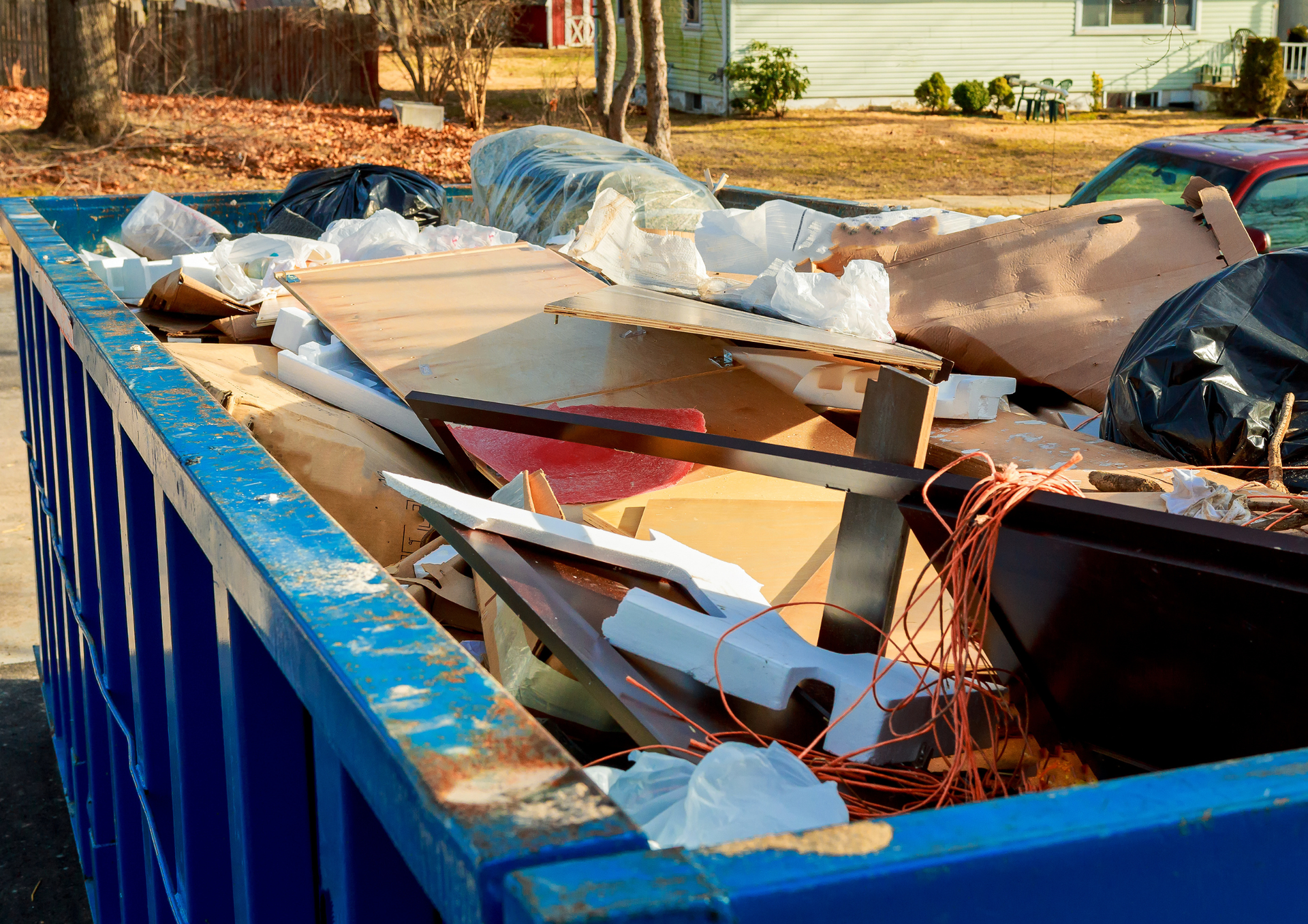

Skip Hire Ideas for Landscaping Waste and Outdoor Project Removal
Landscaping projects often create large amounts of waste that can quickly become difficult to manage without proper planning. Many homeowners and businesses use skip hire services to help manage debris during garden redesigns, fence replacements, patio installations, tree work, and outdoor renovations. Soil, turf, branches, broken paving, timber, gravel, and old garden structures can accumulate rapidly, particularly during larger residential or commercial landscaping projects.
This guide explains skip sizes, waste planning, and organised landscaping waste removal.
Planning Waste Removal Before Landscaping Begins
Effective landscaping projects often begin with careful waste management planning. Garden redesigns, paving removal, fencing replacement, excavation work, and outdoor renovations can quickly generate large volumes of debris, including soil, rubble, timber, shrubs, and broken materials.
Using skip hire services helps reduce delays, maintain cleaner working conditions, and improve overall project organisation from the start. Properties undergoing landscaping work may also require careful planning around access routes, neighbouring properties, vehicle movements, and public spaces.
For smaller outdoor projects and light maintenance work, a 2 yard skip can provide a practical solution for managing limited amounts of garden waste and minor debris. Proper waste planning also helps accommodate unexpected materials uncovered during landscaping while supporting safer, cleaner, and more efficient project completion across residential and commercial properties.
Choosing Suitable Skip Sizes for Landscaping Projects
Selecting the correct skip size is an important part of managing landscaping waste effectively. Different projects generate different volumes and types of waste, meaning the most suitable solution will often depend on the scale and complexity of the outdoor work being carried out.
Smaller landscaping tasks, including hedge trimming, light pruning, and basic garden maintenance, may only require limited waste capacity. Moderate garden improvement projects, however, can generate considerably larger volumes of waste through excavation, fencing replacement, paving removal, and decking installation.
For medium-sized landscaping projects, a 4 yard skip is often suitable for handling mixed garden waste, soil, turf, timber, and smaller construction materials generated during outdoor renovations. This type of waste solution can support manageable landscaping work without occupying excessive space around the property.
Larger landscaping projects involving extensive demolition, excavation, or structural garden redesigns may require additional waste capacity. An 6 yard skip can often accommodate heavier materials such as paving slabs, hardcore, fencing panels, and bulky outdoor debris generated during more substantial renovation work.
For significant landscaping developments, commercial grounds maintenance, or major property improvements, an 8 yard skip may provide greater capacity for handling larger volumes of mixed waste while helping maintain cleaner and more organised working areas throughout the project. Very large landscaping projects, including site redevelopment, extensive excavation, or commercial outdoor renovations, may require increased waste storage solutions.
In these situations, a 12 yard skip can help support larger waste volumes while reducing the frequency of collections during ongoing work. Several practical factors should be considered before arranging skip delivery. Access restrictions, narrow driveways, roadside placement, overhead cables, and shared access routes can all influence which skip sizes can be safely positioned at the property.
Factors That Influence Landscaping Waste Management
Several factors influence how landscaping waste should be managed throughout residential and commercial outdoor projects. Effective planning helps improve organisation, reduce disruption, and maintain safer working conditions during every stage of the work.
Project Size – Smaller domestic landscaping projects may produce manageable waste volumes, while larger commercial developments and garden redesigns often create substantial amounts of debris.
Waste Type – Green waste, branches, shrubs, turf, rubble, timber, and paving materials may require different handling and disposal arrangements.
Property Access – Narrow roads, restricted parking areas, shared driveways, and limited outdoor access can affect skip placement and collection schedules.
Project Timing – Landscaping work is often seasonal, with increased demand during spring and summer months.
Weather Conditions – Rain can increase the weight of soil and vegetation, while strong winds may spread loose debris around the property.
Commercial Activity – Retail premises, communal housing developments, office grounds, and public outdoor spaces may require more structured waste management.
Property Presentation – Organised waste removal helps landlords, surveyors, and property managers maintain cleaner and more accessible outdoor areas.
Environmental Responsibility – Proper waste handling supports cleaner communities and more responsible disposal practices throughout landscaping projects.
Why Organised Waste Management Supports Safer Landscaping Work
Organised waste management plays an important role in maintaining safer, cleaner, and more efficient landscaping environments. Outdoor renovation projects often involve rubble, branches, broken fencing, paving slabs, and excavation materials that can quickly create hazardous conditions when left unmanaged.
Proper waste containment helps reduce trip hazards, improve accessibility, and maintain better site organisation throughout residential and commercial landscaping work. Large outdoor projects frequently involve multiple trades, moving equipment, and ongoing construction activity, making reliable waste removal essential for smoother project coordination.
Prompt collection helps maintain cleaner surroundings, improve equipment access, and reduce delays during landscaping work. Organised waste management also supports responsible disposal practices while helping property managers, landlords, and local authorities maintain safer and more presentable outdoor spaces.
Skip Hire Rugby
provides dependable waste collection solutions designed to support landscaping, garden clearance, and outdoor renovation projects across Rugby and surrounding areas. Our approach focuses on reliable service, organised waste management, and practical support for projects of all sizes.
We understand that every landscaping project presents different challenges, from small residential garden improvements to larger commercial outdoor developments. Our team helps arrange suitable skip hire solutions that support efficient project completion while maintaining cleaner and safer working environments.
Just out on X: Practical
skip hire solutions for landscaping and garden projects.
You might also like